

When your drive changes, your suspension is speaking
You know how your car should feel on your regular routes. The steering sits steady. The body stays level through corners. The cabin feels composed over bumps. When that familiar calm disappears, it is rarely random. It is your suspension speaking. Learning the most important signs of car suspension repair and understanding common suspension issues in cars helps you protect your tires, your brakes, and your confidence on the road. This guide keeps the language simple and the steps practical so you can decide when to book an inspection with a trusted local team.
Why a healthy suspension matters every day
Suspension is more than comfort. It is control. It keeps the tyres in contact with the road so your steering responds and your brakes work as designed. Worn shocks or struts can lengthen stopping distances. Tired bushings let the alignment wander. Noisy joints often point to parts that are close to failure. If you recognize the early signs of car suspension repair and act quickly, you will usually spend less and enjoy a smoother ride.
The clearest car suspension repair signs you should not ignore
Your car dives or squats during braking and take off
A pronounced nose dip under braking or a rear squat when you accelerate can indicate worn shocks or struts. The vehicle’s weight transfers too quickly because the dampers no longer control motion.
Bouncing after speed bumps or rough sections
Count the number of times the body rebounds after a bump. More than one or two noticeable oscillations suggest the dampers are losing control. This belongs near the top of the car suspension repair signs list because it affects comfort and safety.
Steering pull or vague response
If the steering wheel no longer centres neatly or the car pulls to one side, you may have suspension issues in the car rather than a simple tyre pressure problem. Worn tie rods or control arm bushings can add play and dull the response you expect.
Uneven or rapid tyre wear
Feathered edges, scalloping, or wear on the inside edge often result from alignment angles that have deviated from specifications. Alignment moves for a reason. Worn joints or bushings can be the hidden cause.
Clunks, knocks, or creaks over bumps
Noises when turning into driveways or crossing speed humps can signal tired sway bar links, strut mounts, or ball joints. These parts connect heavy components. When they wear, the noise becomes your early warning.
Fluid seepage on shocks or struts
A visible oil film on the shock body means the internal seals are failing. This is one of the most direct signs of car suspension repair that you can spot with a glance behind the wheel.
A crooked stance at rest
If a corner sits lower when the car is parked on level ground, a weakened spring, damaged mount, or collapsed rubber pad may be involved. This affects handling and can accelerate tyre wear.
Simple driveway checks before you book
Stand back and look at the car from the front and the side on a level surface. The body should sit evenly from left to right. Gently push down on each corner and release. The body should rise and settle without repeated bouncing. Turn the wheel to full lock and look behind the tyres for wet shocks, cracked rubbers, or seriously torn dust boots. These basic checks will not replace a professional inspection. Still, they can help confirm your concerns about suspension issues in your car and provide clear points to mention when you contact a professional.
What a professional suspension inspection includes
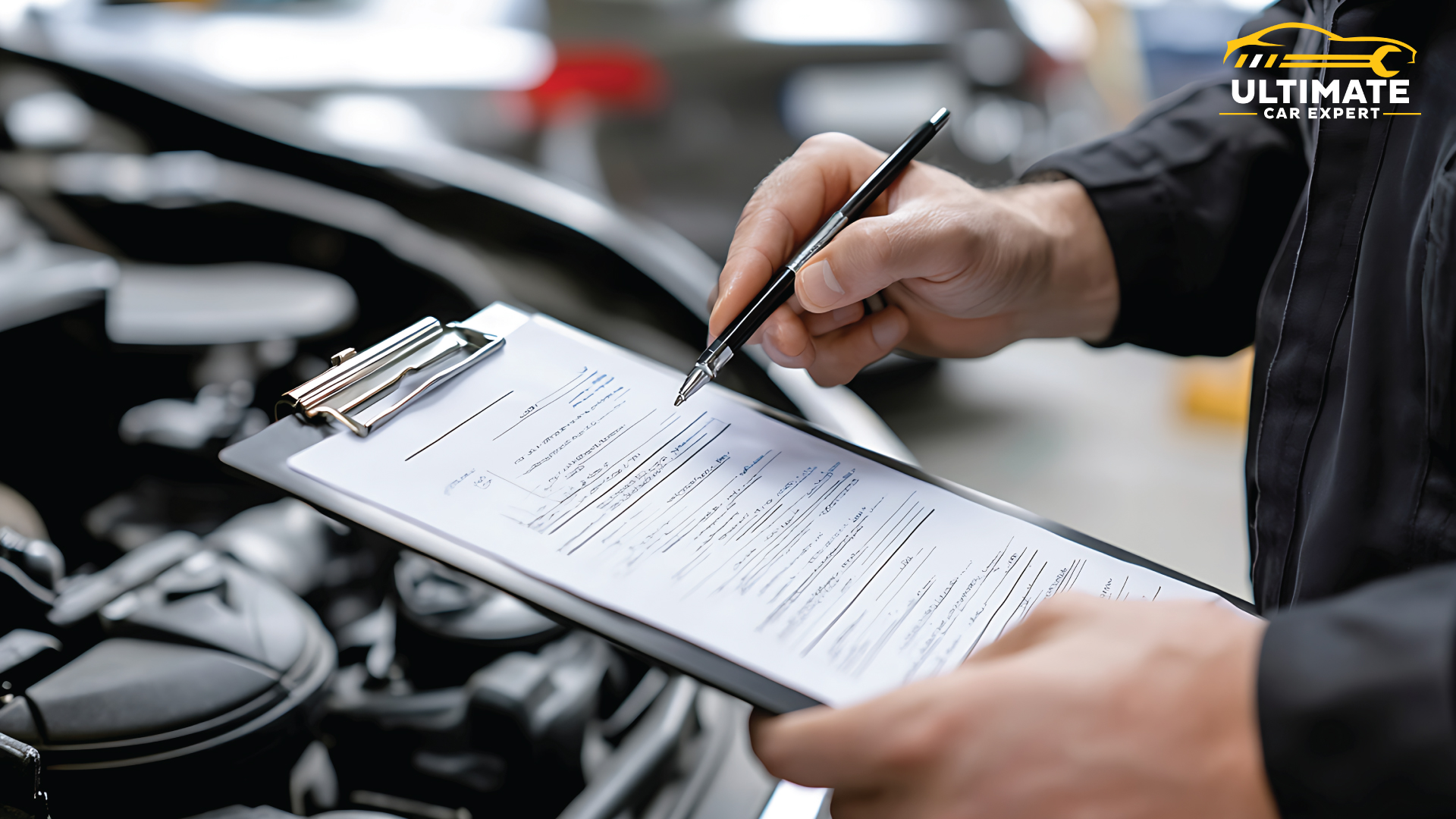
At Ultimate Car Expert Jindalee, a suspension check is a methodical and easy-to-understand process. The technician begins with a short road test to feel the symptoms you describe. Back in the workshop, the vehicle is lifted safely, allowing all major components to be seen and tested.
Shocks and struts are checked for leaks and to ensure they control movement effectively. Control arms and bushings are inspected for cracks, splits, or excessive play. Ball joints and tie rod ends are tested for free movement in the wrong directions. Springs are examined for cracks and correct seating. Sway bar links and mounting rubbers are checked for wear that can cause knocks over bumps. Wheel bearings are spun and felt for roughness. Finally, alignment angles are measured because correct geometry is essential after any suspension work. The report is written in plain language, making your next decision straightforward.
Common causes of suspension issues in a car
Brisbane roads feature a mix of smooth new surfaces and sections that include potholes, speed humps, and tight turns. Daily driving gradually wears out dampers and bushings. A single hard impact can accelerate the process. Age and heat also harden rubber components, which adds extra vibration and noise inside the cabin. Larger wheels with low-profile tyres look sharp but provide less cushioning over rough edges, allowing suspension parts to work harder. If you tow regularly or carry heavy loads, springs and shocks experience extra strain and can tire earlier than expected.
What repair or replacement might look like
The right repair depends on the parts involved and the way you use the car. Many jobs focus on fresh shocks or struts with new mounts, so movement is controlled again. Others replace worn control arm bushings or complete arms where that is the more efficient solution. Sway bar links and bushes are common service items that restore quiet control over bumps. When joints with free play are replaced, a wheel alignment is performed so the car tracks straight and tires wear evenly. After the work is complete, a road test confirms that the result feels right at normal speeds and during controlled braking.
How long do suspension parts usually last
There is no single number that fits every vehicle. City cars that face constant speed humps and tight turns can wear faster than vehicles that cruise long distances. As a general guide, dampers often show their age between 80,000 and 120,000 kilometres. Bushings can last longer or shorter depending on heat, load, and driving style. The most reliable plan is to have the suspension assessed during regular service visits, allowing for early identification of small changes.
The risks of ignoring warning signs
Leaving suspension issues in the car to get worse invites larger costs. Poor damping forces tyres to skip across rough surfaces, which quickly wears away the tread. Worn joints can allow the alignment to shift, causing the steering to wander and increasing fuel consumption. In extreme cases, serious joint wear can become a safety risk. Early attention protects your tyres, brakes, and the feel of the vehicle you rely on.
Maintenance habits that keep suspension healthy
Keep tyres at the correct pressure
Under-inflated tyres place extra load on suspension and steering parts. Check pressures regularly and adjust for loads or long highway runs.
Avoid sudden hits
Slow down for speed humps and deep potholes when it is safe to do so. Gentle driving habits extend the life of shocks, struts, and bushings.
Service on time
Regular logbook servicing helps maintain the balance of many systems. During scheduled visits, technicians can spot early signs of car suspension repair, such as small leaks, cracking rubber, or uneven tire wear, before they become more expensive.
Balance and rotate tyres
Rotations at sensible intervals even out wear and keep handling predictable. Balanced tyres reduce vibration that can fatigue suspension parts.
Frequently asked questions
Is it safe to drive with minor suspension noise?
Short trips may be possible, but any new knock or clunk should be checked promptly. Some noises indicate parts that may fail under stress. A quick inspection at the workshop is the safest choice.
Do I always need a wheel alignment after suspension work
If any arm, joint, or strut has been replaced, an alignment is recommended. Correct geometry restores straight tracking and protects tyres.
Can I diagnose suspension issues in a car without a hoist
You can spot several early signs at home by looking and listening, but a full diagnosis requires a visit and proper testing. A trained technician can isolate the cause faster and save you the guesswork.
Are cheaper parts a smart choice
There is a place for quality aftermarket components that meet the original standard. The workshop will explain the options and warranty differences, allowing you to choose with confidence.
When to book a professional inspection
The moment you notice consistent changes in ride, steering, or tire wear, it is time for a proper inspection. Early diagnosis keeps costs lower and protects your confidence behind the wheel. A focused appointment removes uncertainty and provides you with a plan that includes clear steps and fair pricing.
Conclusion
If you notice signs of car suspension repair, such as bouncing after bumps, uneven tire wear, vague steering, or new knocks over rough streets, book a professional assessment. A calm test drive and a thorough workshop check will reveal whether shocks, struts, bushings, or joints require attention. From there, you can choose repairs that restore safety and comfort. To start a simple plan, speak with the Ultimate Car Expert at Jindalee and schedule an inspection booking. If you are also shopping for a used car and want peace of mind before you commit, read the site’s page on pre-purchase vehicle inspections for the checks that protect you before money changes hands. To keep maintenance on schedule and reduce the likelihood of suspension issues in your car, learn more from the logbook servicing guide on our website.


Comment (1)
[…] car repair shop can gain popularity with its excellent customer services. Car owners do not only step in to fix […]
Comments are closed.